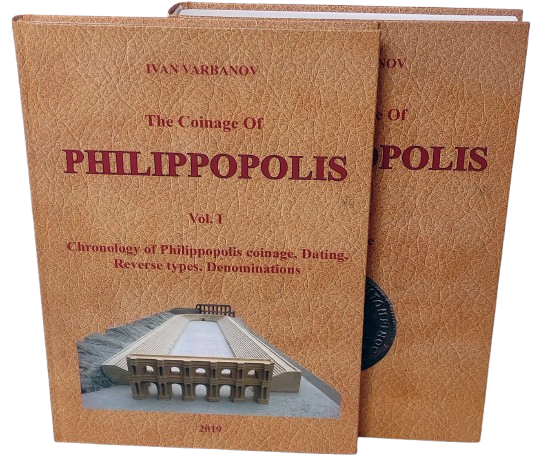
Edition in two volumes
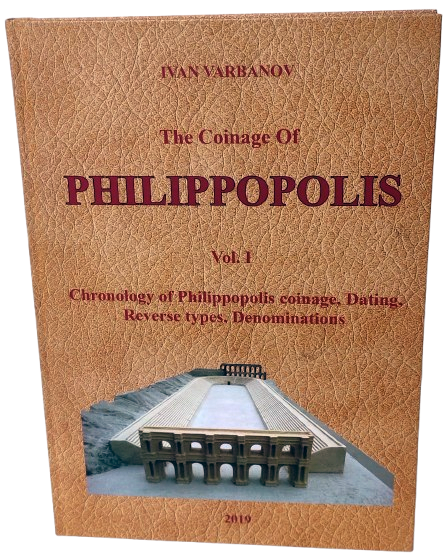
Vol. 1 Chronology of the Philippopolis coinage, Dating, Reverse types, Denominations – Colour 4+4, in English, 1st Edition, Bourgas 2019, Hardbound, 204 pages
Philippopolis: one of the most significant cities in the ancient world, a city with a thousand-year history which still exists today, now under its new name Plovdiv. Life in this city has not stopped for almost eight millennia, making its history extremely rich and interesting. The city is older than Rome, Athens, Carthage and Constantinople. It was a contemporary of ancient Troy. The present city rests on the remains of many former settlements, which determines its rich cultural heritage. Plovdiv is the Bulgarian city elected European Capital of Culture for 2019 together with another European city, Matera in Italy, a recognition that once again proves the significance of this city throughout the centuries. Taking into consideration this background, it seems quite logical that the local government of Philippopolis was given the right to mint autonomous bronze coinage to meet the needs of the local commodity-money market.
In 1924, in the PAM Reports, the first study of the Philippopolis coins was published by Nikola Moushmov: The Ancient Coins of Plovdiv / Les monnaies antiques de Philippopolis/. In this work, the author presents for the first time a complete picture of the Philippopolis coinage, based on his fundamental work of 1912 The Ancient Coins on the Balkan Peninsula and the Coins of the Bulgarian Kings as well as the coins in the funds of the Bulgarian museums. In fact, for almost a hundred years, this has been the only detailed study of the Philippopolis coins ever published.
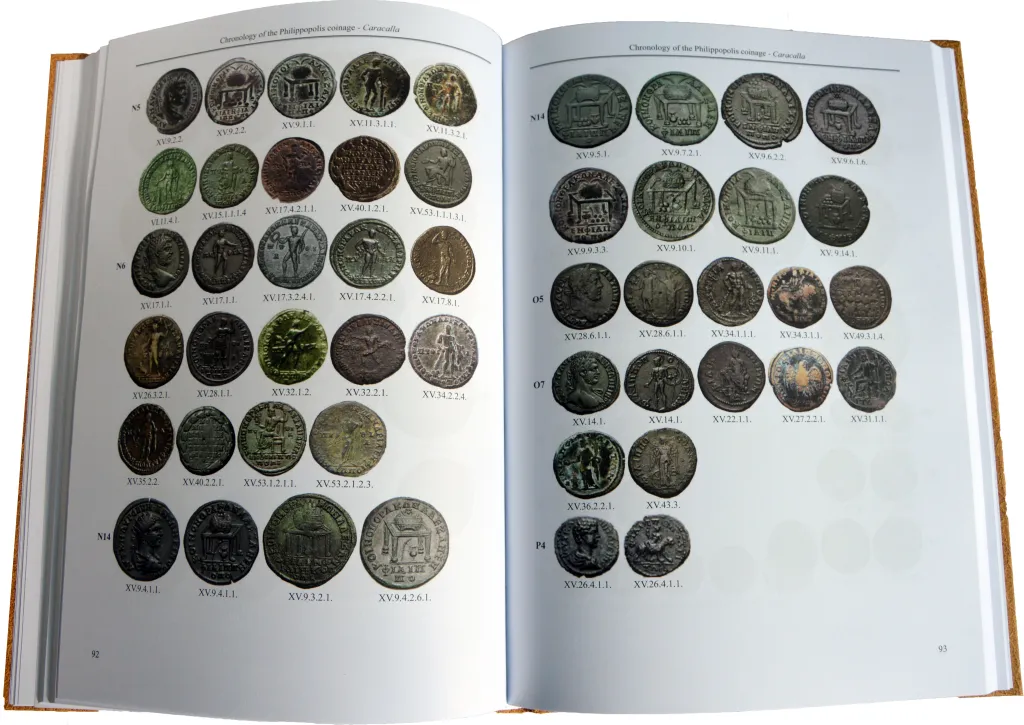
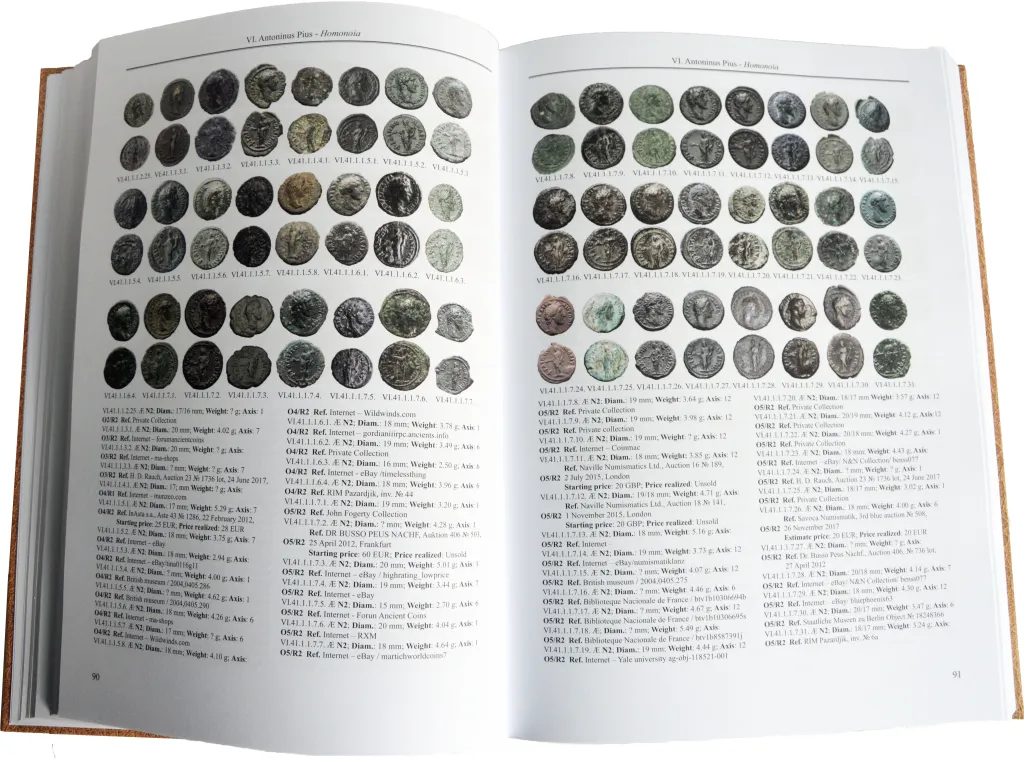
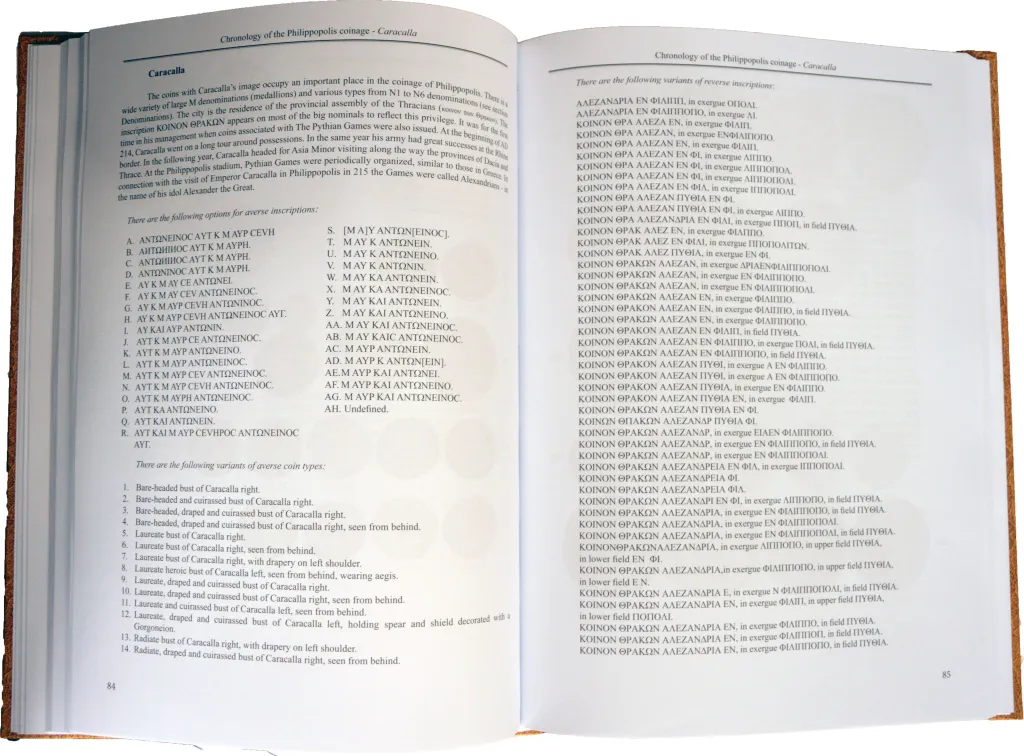
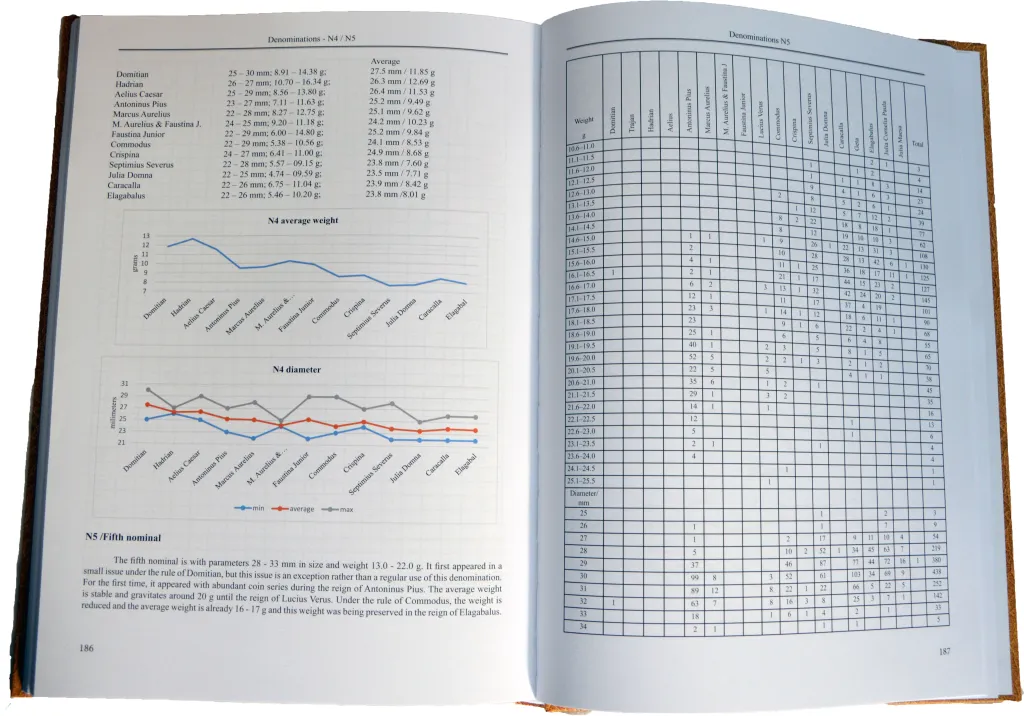
Because of the large contents of materials used to create this catalogue, it has been divided into two volumes. In the first volume, the chronology of the Philippopolis coinage and all the averse coin types are presented, as well as all varieties of their averse and reverse inscriptions. The dating of these coins, which is an important element of their identification, is also presented in detail. The reverse types depicted on the Philippopolis coins as well as all their variants were examined in detail. An important part of the first volume is also the presentation of the denominations issued in this mint. Generally, they are divided into six separate denominations, as the medallions are presented separately. Each nominal is presented using detailed tables with all the available parameters of the specimens used. At the end of each denomination, the average coin parameters of each emperor or member of his family whose images are depicted on coins of that denomination are presented. There are graphs added, showing a graphical representation of the maximum, the average and the minimum coin weight of the respective denomination which enables the graphical tracing of the changes at the different emperors. There are also graphs giving the maximum, the average and the minimum coin diameter of each denomination where the changes of this parameter can be traced over time and with each emperor. There are inevitably such that lack some of their parameters: size, weight or axis. All the parameters available have been used when compiling these tables, therefore a certain discrepancy may occur between the number of coins with a given diameter and of those with a given weight for each denomination. However, this method makes it possible for more information to be used for each parameter of the corresponding denomination, which makes the average parameter much more accurate and minimizes its interpolation.
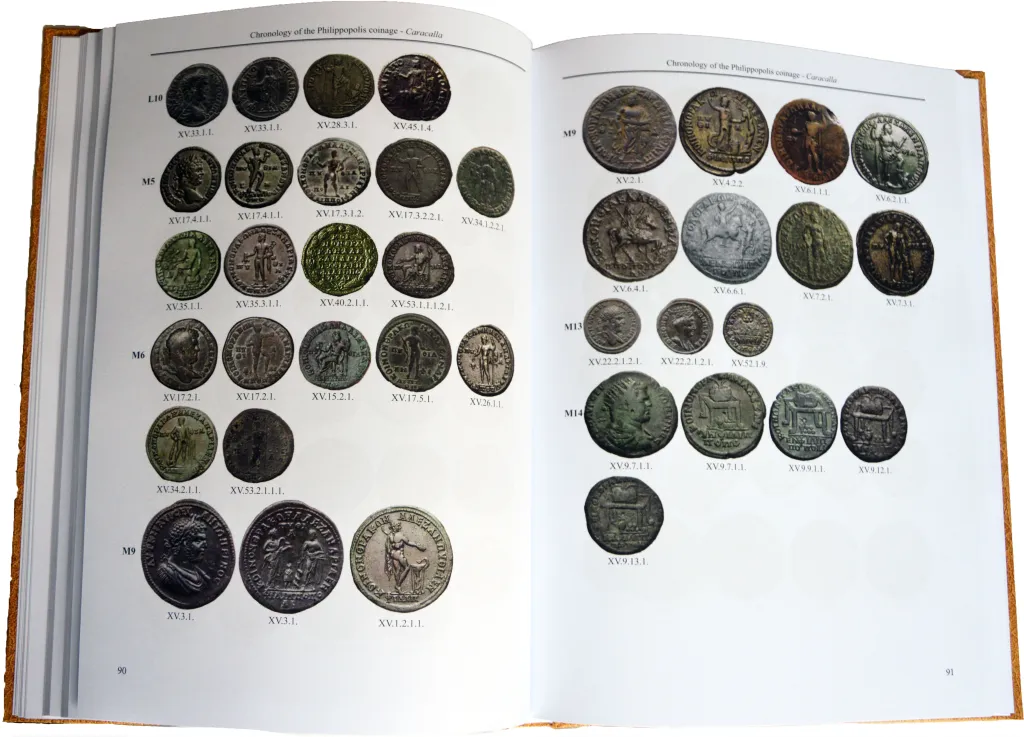
Pages from vol. 1
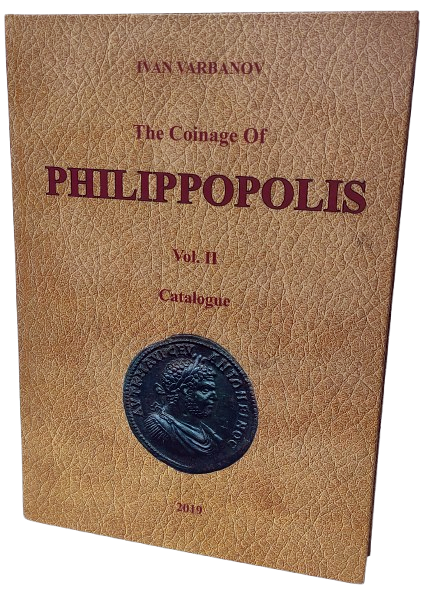
Vol. 2 Catalogue – Colour 4+4, in English, 1st Edition, Bourgas 2019, Hardbound, 420 pages
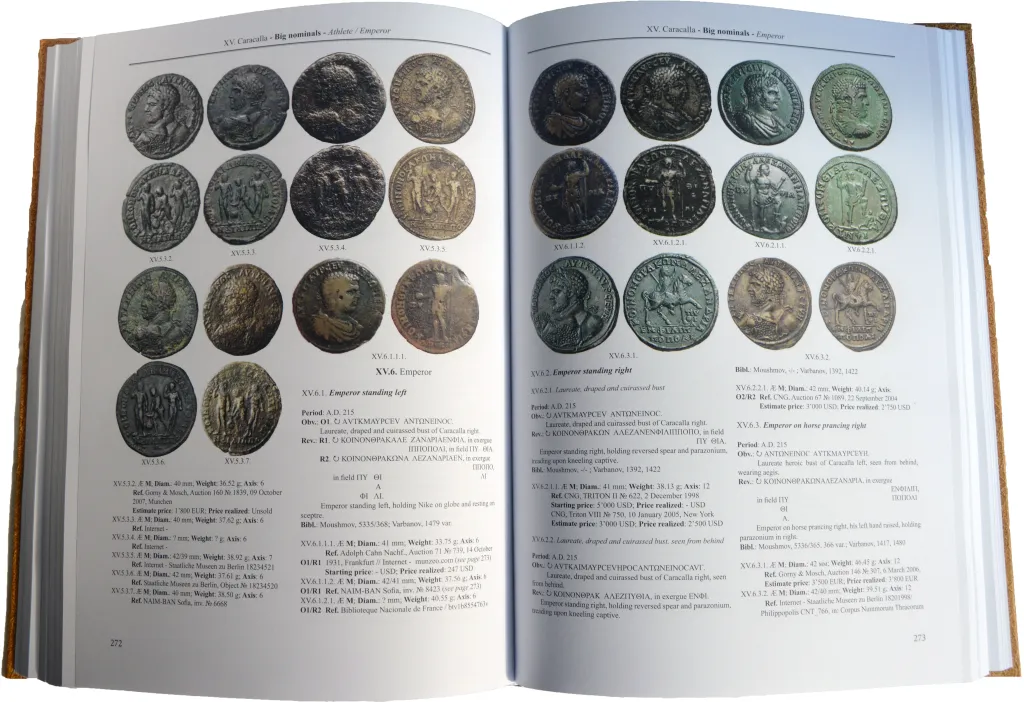
In the second volume, the systemized catalogue with the coin images is presented. For the creation of this catalogue, I have used over 8,000 coins from the Philippopolis mint. Due to the large contents of all available specimens, this catalogue has been optimized and an optimal number of coins is presented so that absolutely all the subspecies and varieties specified in this study can be presented. At the beginning, there is a detailed description of how to use this catalogue.
For clarity, the representation of each emperor or member of his family is preceded by a Roman figure: I, II, III, IV, etc. Then follows the representation of the deity depicted on the reverse, preceded by an Arabic figure: 1, 2, 3, etc. All other subsections are preceded by an Arabic figure. The next subsection presents the type with which the deity is represented. After presenting all the subsections characterizing this variant of the coin, the period during which it was issued follows. Beneath it, the front inscription of the coin is presented. If the inscriptions on the averse are more than one, each inscription is preceded by O1, O2, O3, etc. A description of the front coin type follows. Beneath it is the reverse inscription. If the inscriptions on the reverse are more than one, they are preceded by R1, R2, R3 and so on.
Pages from vol. 2